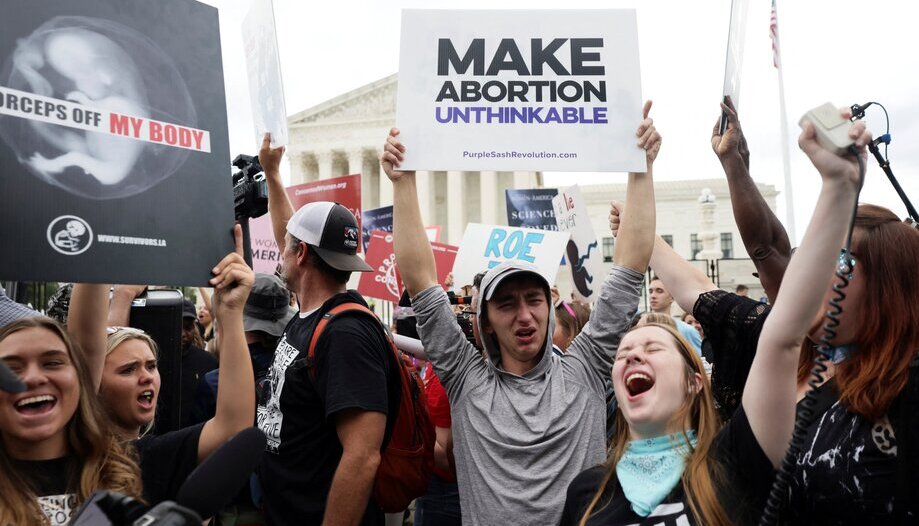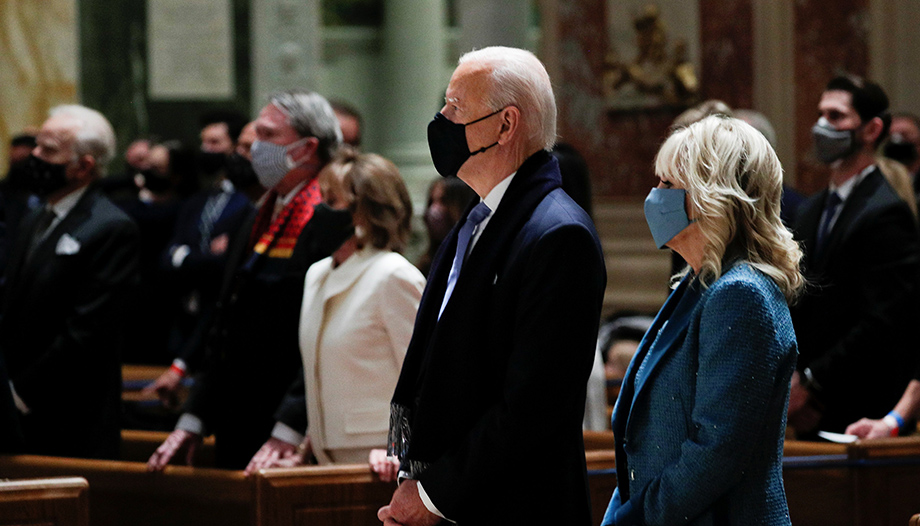
It is a disgrace that, in recent years, the Catholic Church in United States is more known for its divisions than its devotion. Earlier this year, I was invited to speak about Catholic journalists' reporting of these divisions.
I was part of a panel at the 26th International Days of St. Francis de Sales in Lourdes, an annual gathering of Catholic journalists. Organizers and participants were interested in what was happening in the Church in the United States. Much of the media coverage suggests that the U.S. bishops are somehow the opposition party to Pope Francis' agenda. This narrative suits both progressive and conservative commentators.
In reality, the U.S. bishops are not collectively an anti-papal group. While some are partisan and others are uncomfortable with the pope's agenda, most, I said, may not always understand his vision (e.g., synodality), but they consider themselves loyal and dislike polarizing reports.
One of the reasons for the misunderstanding is that bishops who are very critical of Rome are not publicly rebutted by their counterparts. Bishops are reluctant to make these divisions public, but their silence can sometimes cause confusion.
How can Catholic journalists cover events honestly and openly when there is such an aversion to bad press among Catholic leaders?
But the press is not blameless. In both secular and religious media, the lines between opinion, analysis and news have blurred. Commentators reflect divisions in the Church (progressives versus traditionalists, for example), and their coverage can exaggerate the scale and scope of polarization.
At the same time, church leaders sometimes seem to lack faith in the Gospel adage that "the truth will set us free." Transparency, both in Rome and in the dioceses, is more a virtue preached than practiced. This hinders the work of good journalists and favors that of bad ones. It favors leaks and anonymous sources, and allows events to be easily manipulated to affirm pre-existing opinions.
As the crisis of the sexual abuse of the clergy, a Church that is not transparent and honest will eventually suffer, and the price paid in cynicism and abandonment of the faithful is devastating.
The Church as a whole, and the bishops in particular, need to recover the sense of purpose, value and vocation of Catholic journalism. Journalists must be well trained, but what is needed is not propaganda. On the contrary, solid journalism will inform and help form Catholics.