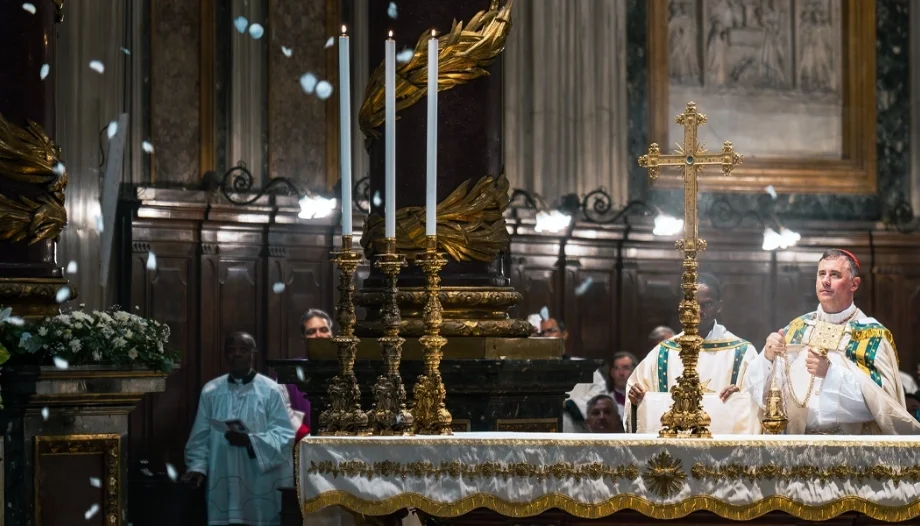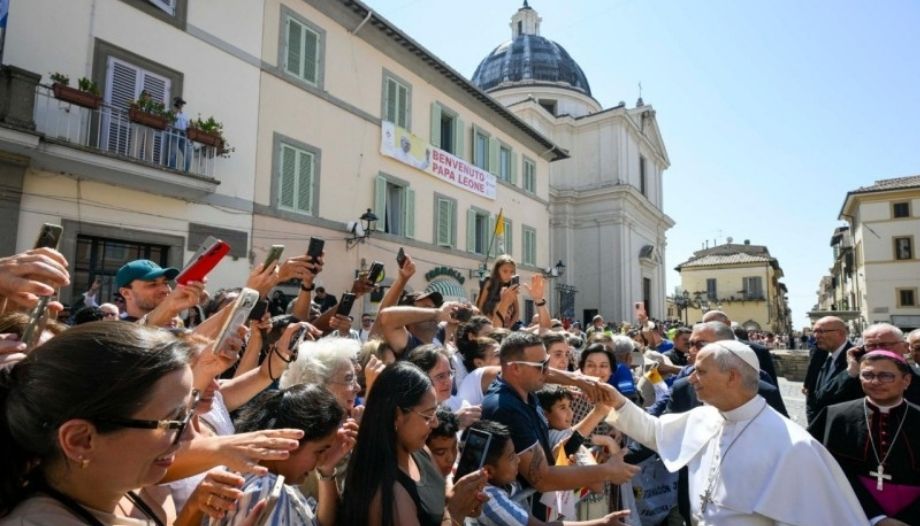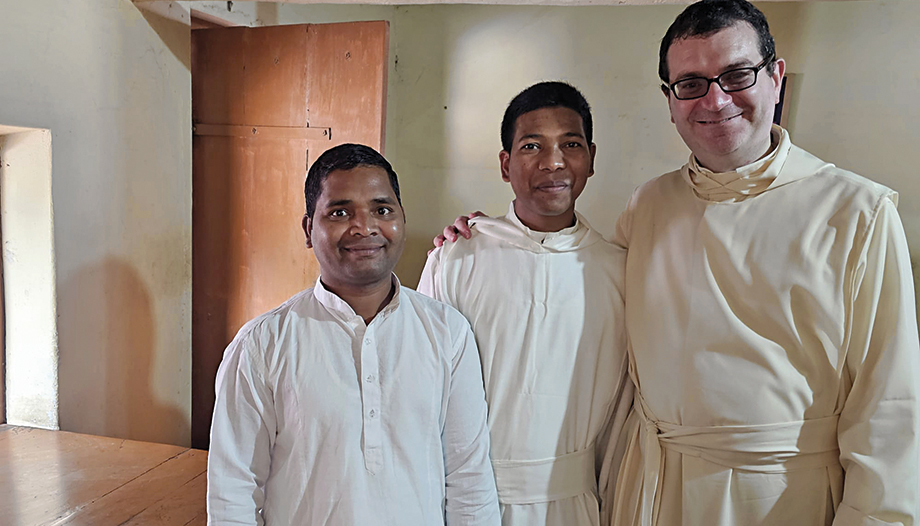

Papal ceremonies and their role in the construction of the image of the pontiff are the central theme of the essay "Papal Ceremonies on Trial. Tra Ancien Régime e Restaurazione", the latest work by Father Simone Raponi. The author, archivist and historian of the Oratory of the Chiesa Nuova, offers an in-depth analysis of the pontificates of Pius VI, Pius VII and Leo XII, covering a period from the end of the 18th century to the first decades of the 19th century.
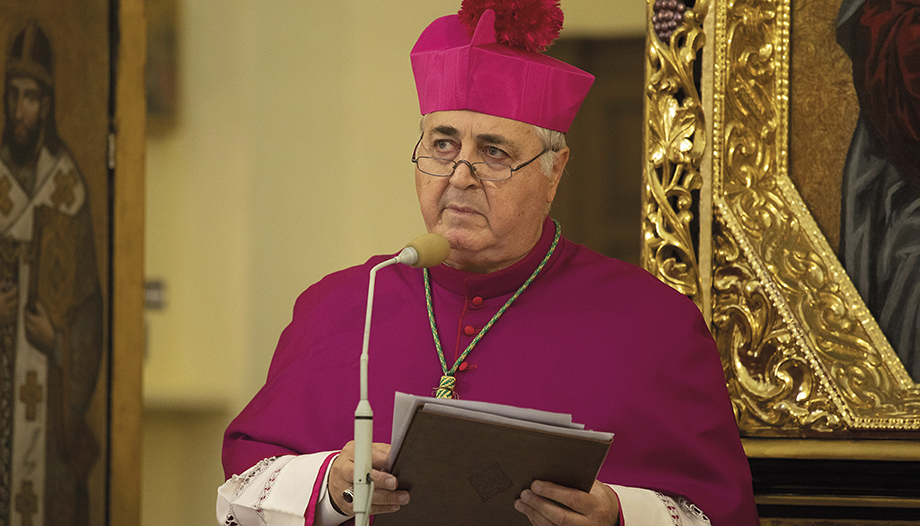
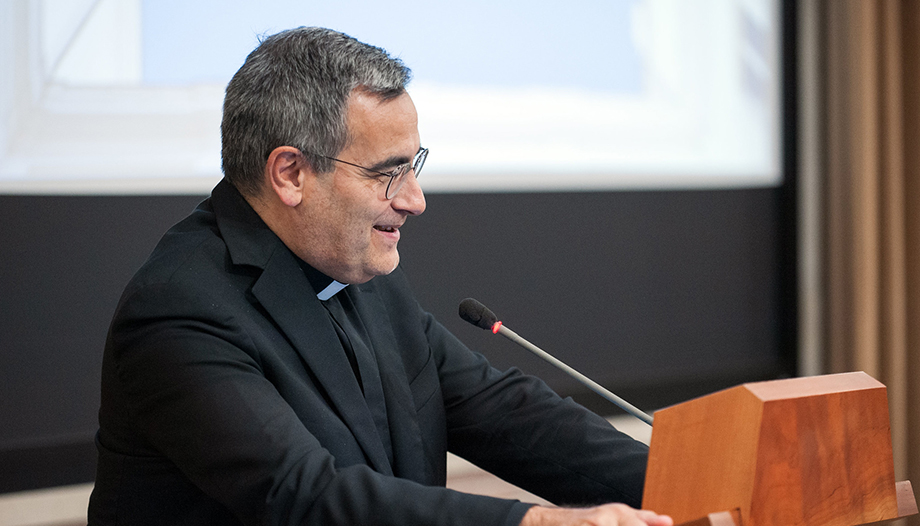
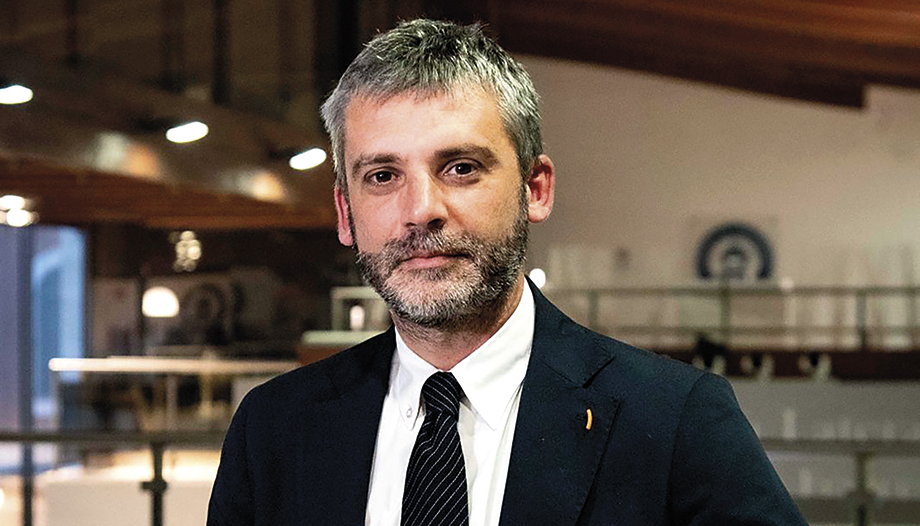
Published by Edizioni Studium -a publishing house founded in 1927 by the future Paul VI, the book will be presented on Wednesday, January 22, in the Oval Hall of the Chiesa Nuova in Rome. Moderated by literary critic Arnaldo Colasanti, the event will be attended by Monsignor Paolo De Nicolò, Alessandra Rodolfo of the Vatican Museums and Ilaria Fiumi Sermattei of the Pontifical Gregorian University. According to the intentions of the organizers, the presentation aims to offer an opportunity to reflect on the historical and symbolic dimension of papal ceremonial.


Ceremonial between continuity and adaptation
Raponi's volume focuses, as we have said, on the historical period between the end of the Ancien Régime and the Restoration (1775-1829), a period marked by profound political and social upheavals that called for a reworking of the Church's ceremonial traditions. It thus examines the dynamics that characterized the transition of the papacy from a more political conception to a more universal and spiritual dimension.
Among the topics addressed, the book highlights how the forced absence of Pius VI and Pius VII from Rome during the revolutionary and Napoleonic periods influenced papal ceremonies, transforming them into instruments of resistance and symbolic continuity. The analysis draws on a wealth of documentation, including diaries and instructions from the masters of ceremonies, which provide an insider's perspective on this complex ritual system.
Ceremonies as an instrument of representation
The text investigates the role of papal ceremonies not only as an expression of faith, but also as a political and cultural representation. Raponi highlights how these rites adapted to the needs of changing contexts, revealing a balance between the need to preserve traditions and the need to respond to historical transformations.
While maintaining a rigorous approach, the work does not ignore the political and religious tensions that accompanied the period under review. The analysis of state ceremonial, relations between the pope and the European monarchies, and reactions to the revolutionary crisis offers an articulate and detailed picture of the role of papal ceremonial.
A contribution to historical research
Another usefulness of the book is the contribution it intends to make to the historiography on the papacy, addressing topics ranging from theology to politics, from liturgy to culture. It is no coincidence that the volume has been included in the "Pontifical" series, coordinated by Gregorian professor Roberto Regoli, created precisely to pay attention to multidisciplinary and international studies that can respond to the growing demand for analysis on the role of the papacy in modern history.
The Roman presentation will therefore be an opportunity not only to discuss the contents of the work, but also to reflect on the broader historical and symbolic significance of the papal "liturgies", with a look at the relationship between tradition and change in the Church over the centuries.