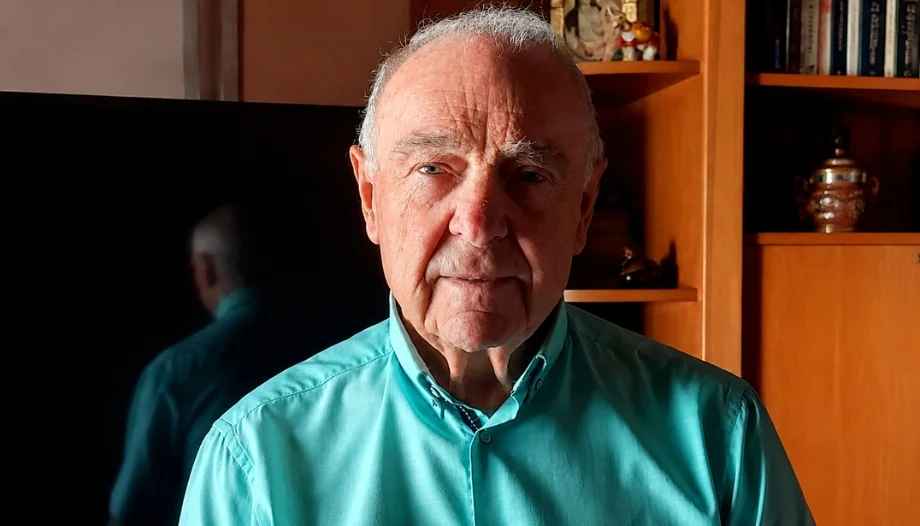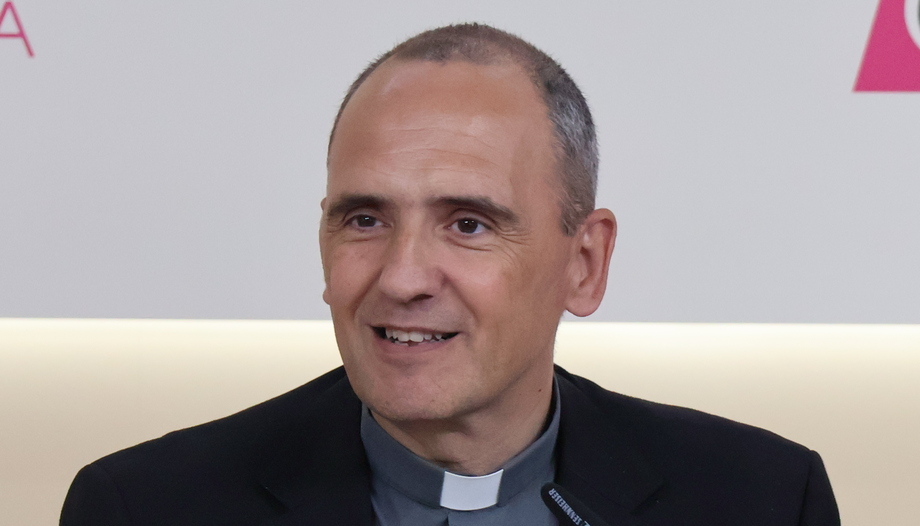
Martin Foley is CEO at Arise Foundation, a charity founded in 2015 by John Studzinski and Luke de Pulford. Since then, Arise fights for the eradication of the new slaveries that survive on our planet.
With a vision focused on the promotion of human dignity and the conviction that it is impossible to turn our backs on human suffering, Arise works through the cooperation of local and international networks to end human trafficking, organ trafficking or sexual exploitation among other new forms of slavery.
Although it does not belong to any religious denomination, Arise defines itself as faith-friendlyIt does so by noting "the power of faith to bring about lasting change" and the numerous projects in this field carried out by religious and consecrated men and women throughout the world.
Foley, a law graduate from the University of Manchester, has been involved in the third sector for many years. Following his time at Lifea UK charity supporting people facing complicated pregnancies and miscarriages, Martin became the UK managing director of the international organization Stella Marisof which he became the European coordinator. He currently directs Arise
According to Arise, there are more slaves today than ever before in history. Why is it not being talked about as it should be?
-For too many people, slavery is considered a matter of "past history," a crime abolished hundreds of years ago. However, the terrible reality is that approximately 50 million people are enslaved today.
Too often, slavery is a hidden crime, exploiting vulnerable people, including immigrants, and taking place behind closed doors in factories, brothels and even private homes. So lack of awareness contributes to slavery not being talked about as it should be.
Another factor is indifference at all levels of society, from governments to individuals. Slavery is woven into many supply chains, but too often governments are unwilling to confront this crime and we, as individuals, prioritize our thirst for fast fashion, cheap food and sexual gratification over the human rights of exploited people.
The case of children is blatant: forced marriages, labor slavery and sex trafficking, what is happening in the laws of many countries so that this reality is still present in so many areas?
-Laws are not enforced. This allows criminals to evade responsibility for their actions. Compared to the fight against other crimes, such as drug trafficking, it is clear that the fight against slavery and human trafficking is chronically under-resourced.
Arise works especially on the root causes of these situations. What are the causes of the new forms of slavery? Can they really be tackled?
-Poverty and lack of education and awareness are root causes of slavery, which increase people's vulnerability to criminal traffickers. But we must also not forget that trafficking is a crime, where criminals consciously choose to exploit their fellow human beings.
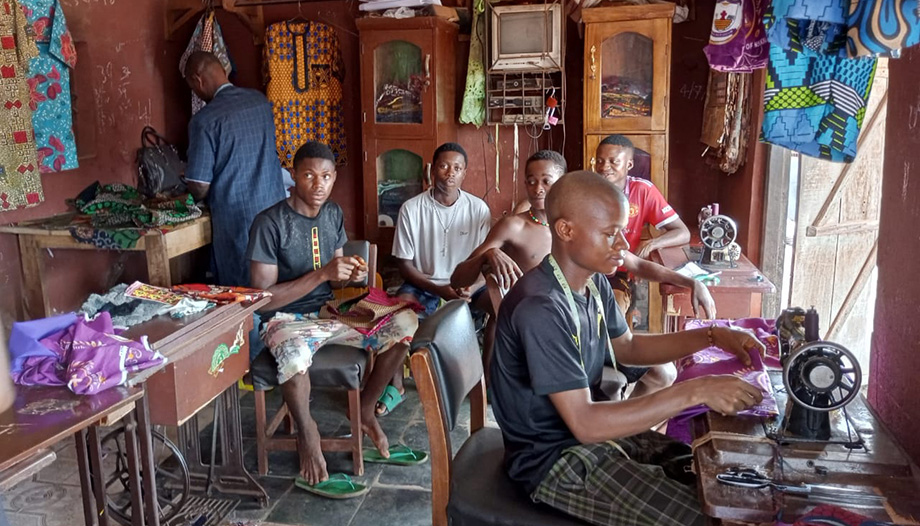
We believe that it is possible to tackle the causes, through a locally driven approach, coupled with vigorous prosecution of those who commit crime. Individuals and organizations rooted in communities are best placed to provide meaningful support to those who suffer, as well as to identify and address the systemic causes that put people in their communities at risk.
How does the work of frontline groups and support networks against slavery complement each other in Arise? How do they develop projects in different countries?
-Frontline groups and networks are central to Arise's work. Catholic women religious, embedded in the communities they serve, are among the primary frontline groups Arise supports. For real change to occur, a deep quality of caring and trust is essential. These qualities abound in Catholic women religious. Arise is privileged to support them in the fight against slavery.
Through a process of listening, dialogue and accompaniment with frontline groups working in communities where people are vulnerable to exploitation. Everything we do is based on our values of respect for human dignity, humility and trust. Through a process of accompaniment, we try to determine what the local needs are and how we can respond most effectively.
Do you think it is possible to achieve a world without these new forms of slavery?
-Yes. Our vision is a world without slavery and human trafficking, where the dignity of all people is respected. We can all help make this vision a reality by becoming aware of the reality of slavery today, by being responsible consumers and by supporting Arise's mission to strengthen the strength, sustainability and direct impact of frontline groups working to prevent slavery and human trafficking.