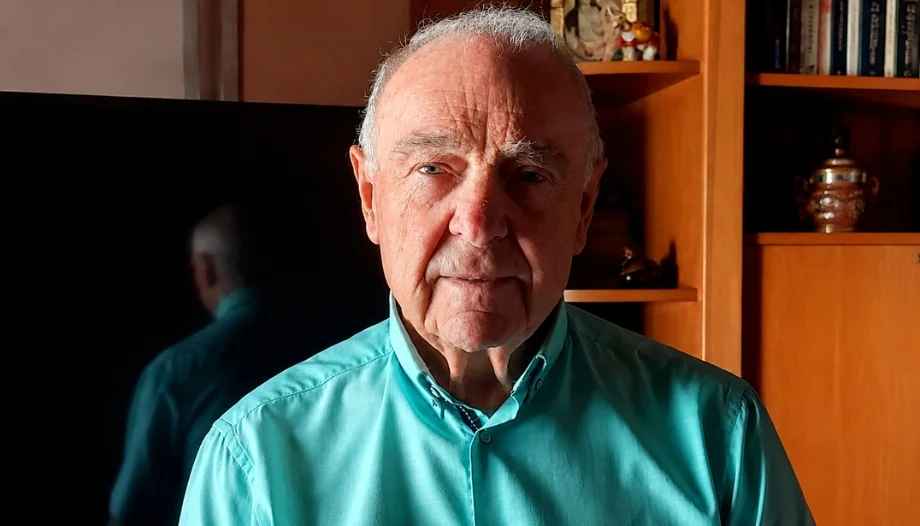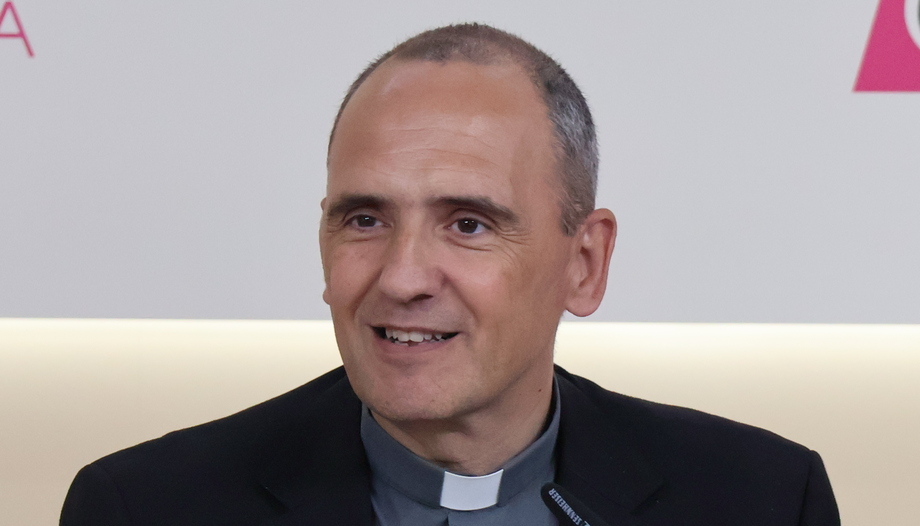
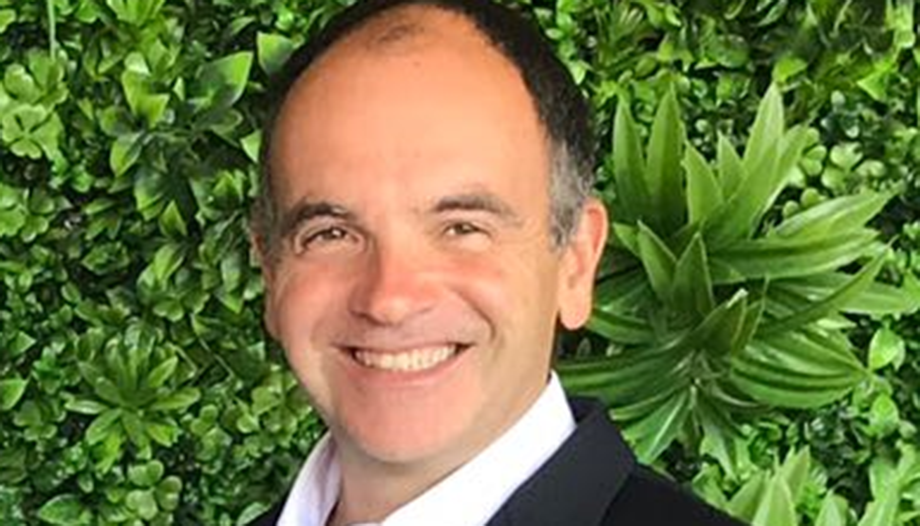
Dr. Francisco Leal's topic at the conference on "Notions of medicine for priests" is pain and suffering, and the solutions provided by medicine. Although he specifies that "pain is beneficial in principle", because "it is produced by a state of alarm when a harm or danger is detected, and it protects us, it makes us react to the harm".
The doctor has no doubts about the efficacy of palliative care. "In Spain we have some of the best professionals in the world and, unfortunately, very little administrative and political support". He recognizes the crudeness of what he says, but considers that, following "an ideological bias that comes from supranational bodies and that does not consider the value of life", there are those who think that "it is cheaper to end a patient's life than to accompany him or her as he or she deserves".
The "Notions of Medicine for Priests" seminars will be held on Saturdays, October 21, November 11 (therapeutic incarceration) and December 2 (pathologies that can affect conjugal life) at the University of Navarra Clinic in Madrid.
Dr. Leal is a specialist in Anesthesiology, Resuscitation and Pain Management. He has received training in neuroscience from the Harvard University and in TRD (pain reprocessing therapy). He is also currently a professor at the Universities of Cadiz and Navarra.
Suffering and pain: What are they, how do they occur, can they be avoided or fairly alleviated?
-They are two experiences that are often closely related. One can lead to the other and vice versa. Pain is a sensory and emotional experience associated (or similar to that associated) with actual or potential harm. Suffering is an emotional and mental response to pain or experiences. In addition to an emotional component, a spiritual component may be added.
Pain is beneficial in principle. It is produced by a state of alarm when a damage or danger is detected. It protects us, it makes us react to the damage. The problem is when that alarm is not turned off and the pain becomes chronic.
We always try to alleviate pain; even chronic pain. In certain cases, we can now dare to say that we can cure it, thanks to the recent Pain Reprocessing Therapies that are giving very promising results.
Medicine offers patients a cure, but what if it can't be cured?
-Until recently, in the case of chronic pain, we could only aspire to palliation. For the first time, as I said before, we are beginning to cure this type of pain in many patients. In any case, we always try to apply E.M. Achard's famous sentence: "Cure sometimes, improve often, comfort always".
We are afraid of anesthesia, aren't we?
-Yes, that is a legacy from the past, when both anesthesia and surgery were very rudimentary, and it has remained in people's memory. Today anesthesiology is the medical specialty that has achieved higher safety standards, learning from the experience of pilots and aircraft construction. Part of our job is to listen to their doubts and explain these things to the patients so that they can enter the operating room with peace of mind.
Is palliative care effective, should it be a right for all, or is its cost high?
-There is no doubt about the effectiveness of the Palliative Care. In Spain we have some of the best professionals in the world and, unfortunately, very little administrative and political support. It is cheaper, and more effective, to have a good palliative team to care for the patient at home than to do it in a hospital. Unfortunately, there are managers who, under an ideological and utilitarian bias, consider that it is even cheaper to end the patient's life.
Spain and so many other countries have a deficit in palliative care. Why is this happening? Do we have trained professionals?
-The training and the professional and human quality of our professionals is enviable. It is such a demanding specialty that there is a phenomenon of self-selection of the best for such hard and human work.
The deficit of palliative care is due neither to training nor to professional vocations, but to a lack of interest on the part of public administrations. It is due to a management that, under a materialistic conception of the human being, prioritizes numbers over people. In the end, it is an ideological issue that comes from supranational bodies and does not consider the value of life. As I was saying before, not without a certain crudeness, it is cheaper to end life of a patient than to accompany him/her as he/she deserves.