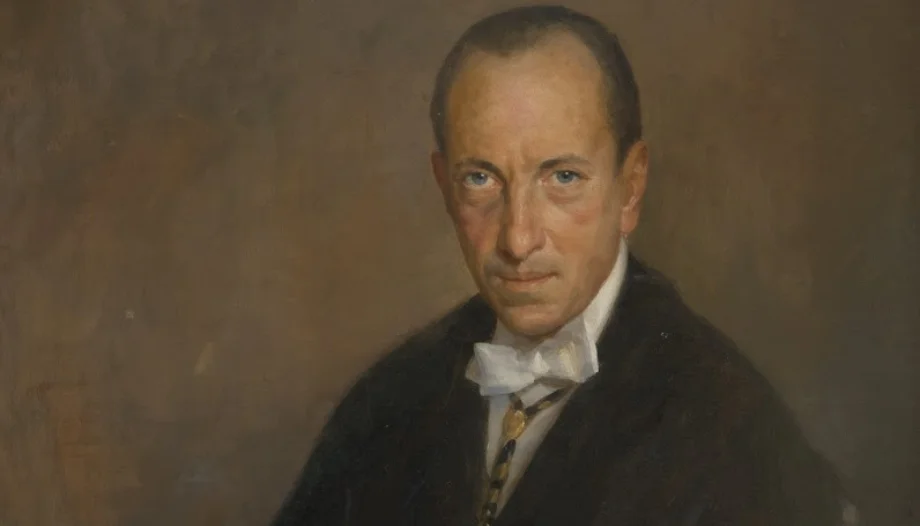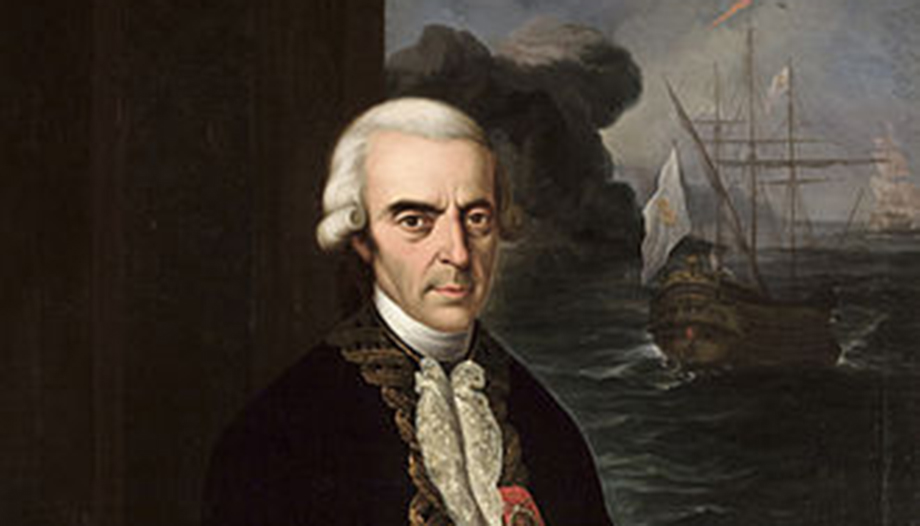
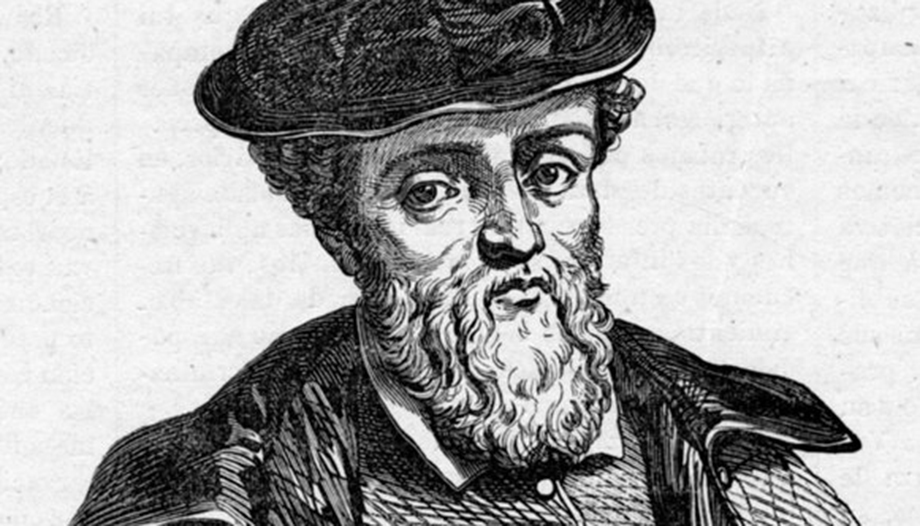
Monardes (1493 or 1508 - 1588) graduated in medicine in 1533 from the University of Alcalá de Henares and received his doctorate in 1547 in Seville. He was the best known and most widely read Spanish physician in Europe in the 16th century. His books were translated into Latin, English, Italian, French, German and Dutch, and dealt with pharmacology, toxicology, medicine, therapeutics, phlebotomy, iron and snow. Through his writings, the medical practices of the indigenous people in America and also tropical diseases began to be known. In fact, his most famous work is entitled "Historia medicinal de las cosas que se traen de nuestras Indias Occidentales" (Medicinal history of the things brought from our West Indies). In it he catalogued numerous plants and their uses, many of which had been recently discovered in America and some of which, such as tobacco, were introduced in Europe in part thanks to this book.
Monardes' writings were not merely compilations of information, but also reflected his personal observations and experiences. He provided information on the indigenous uses of plants and laid the foundation for understanding their medicinal properties. His work was particularly influential in the development of herbal medicine, an essential aspect of health care in his time. In addition, because of his careful descriptions of drugs and the tests he performed on animals to learn about their medicinal properties, he is considered one of the founders of pharmacognosy and experimental pharmacology. He is also the discoverer of the phenomenon of fluorescence.
On the other hand, Monardes was not a doctor far from everyday life. He practiced his profession with great success and also married and had seven children, some of whom went to America. After the death of his wife in 1577, he wanted to receive holy orders and thus become a priest. Eleven years later he died of a cerebral hemorrhage.