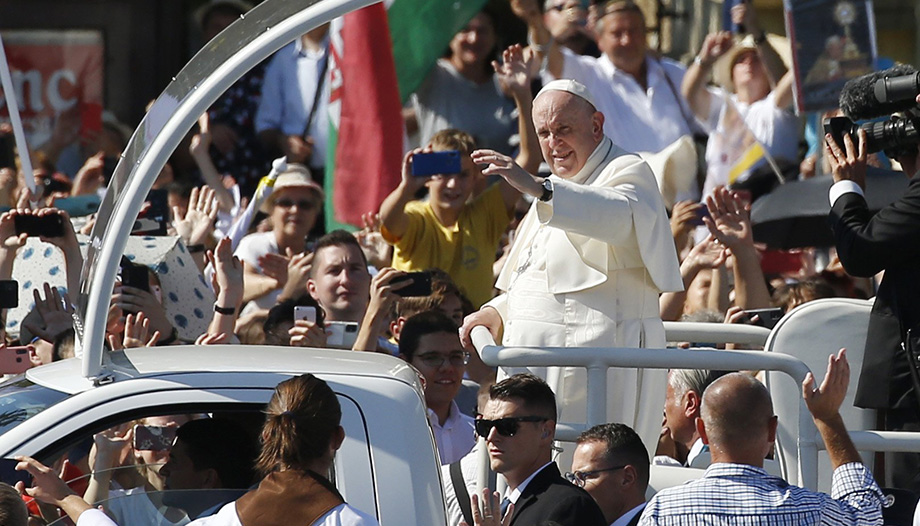
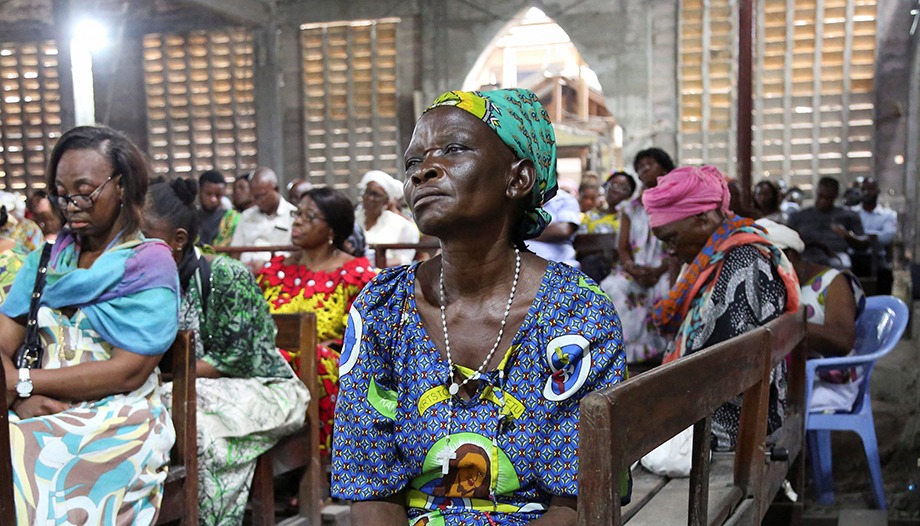
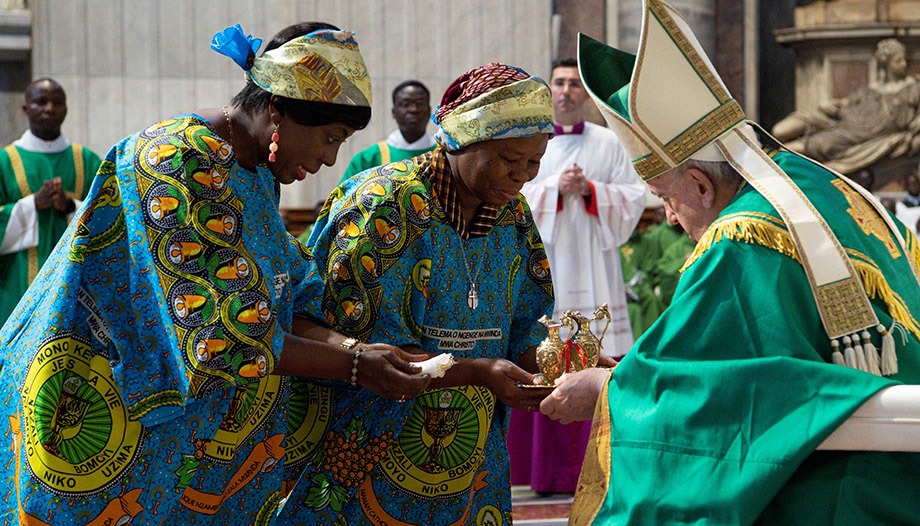
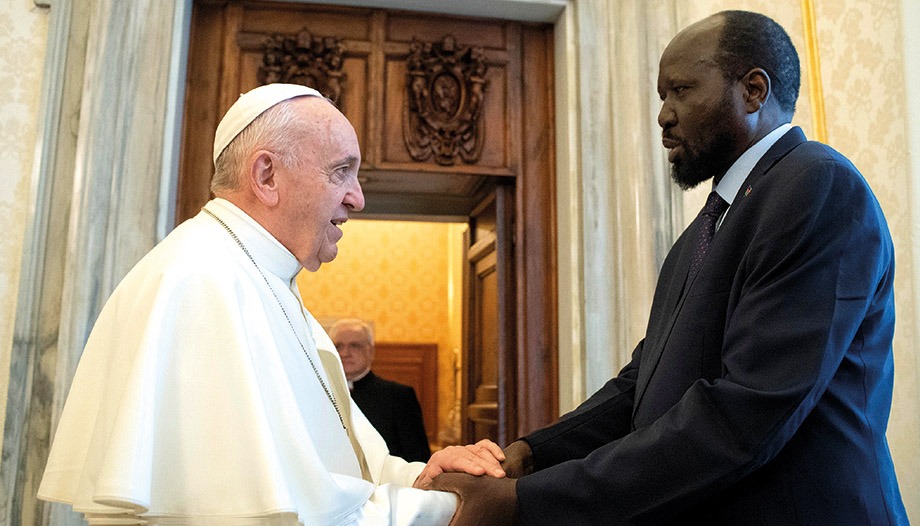
Every attack in the name of religion raises the question of the role of beliefs in society. There are those who tend to see religion as a source of conflict and violence, and therefore support its elimination from public life. On the contrary, Pope Francis offers in his recent encyclical Fratelli tuttiThe book, a positive and hopeful vision of the contribution of religions to human fraternity and peace, is one of the deepest yearnings of the human heart, which cannot be achieved spontaneously and requires the contribution of individuals and institutions. One of the deepest longings of the human heart, it is not achieved spontaneously, and requires the contribution of individuals and institutions. The Encyclical addresses this question along three axes: it unveils the roots of a violence falsely linked to religion; it recalls that in religion are the values of authentic peace; finally, it maintains that the contribution of religious communities to peace requires respect for religious freedom.
Francis condemns terrorism in all its forms and manifestations. Violence does not find its foundation in religious convictions, but in their deformations. Benedict XVI has already recalled that fundamentalism is a distortion of authentic religion and arises when the purifying role of reason is not taken into account. The key to distinguishing what is genuinely religious from what is not lies in full respect for human dignity. Secondly, there is an undeniable connection between the tenets of the main religious traditions and the values linked to peace. Most of the sacred writings and their traditions contain messages of concord. Moreover, religious ethics are capable of promoting attitudes such as humility, patience and compassion, which are fundamental to the promotion of peace. Among these, the capacity to forgive and to reconcile, a theme strongly emphasized in Christianity, occupies a preeminent place. An authentically religious life must produce fruits of peace and fraternity, because religion strengthens the union with the divinity, and also a more solidary relationship among men.
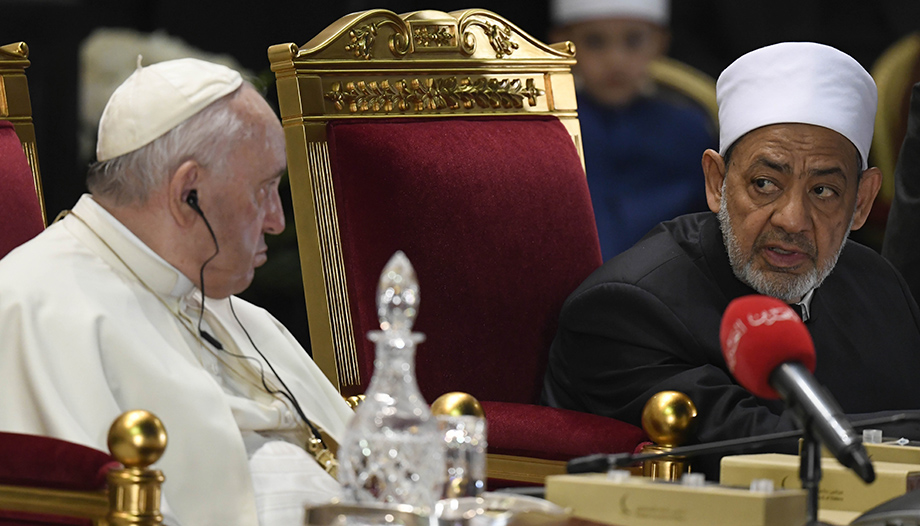
Finally, the Pope affirms that recognizing God is always a good for our society; and, on the contrary, the deprivation of religious freedom ends up leading to the trampling of human dignity. Also fundamental is the role of religious leaders, called to work in the construction of peace, not as intermediaries, but as authentic mediators, who keep nothing for themselves, knowing that the only gain is that of peace. Fratelli tutti is a decisive contribution to reaffirming the role of religions. They are called to build a lasting peace.