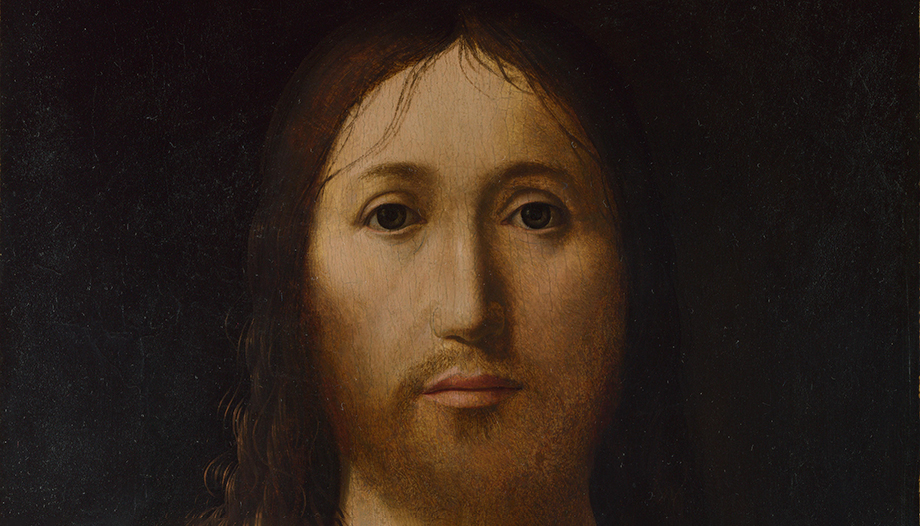
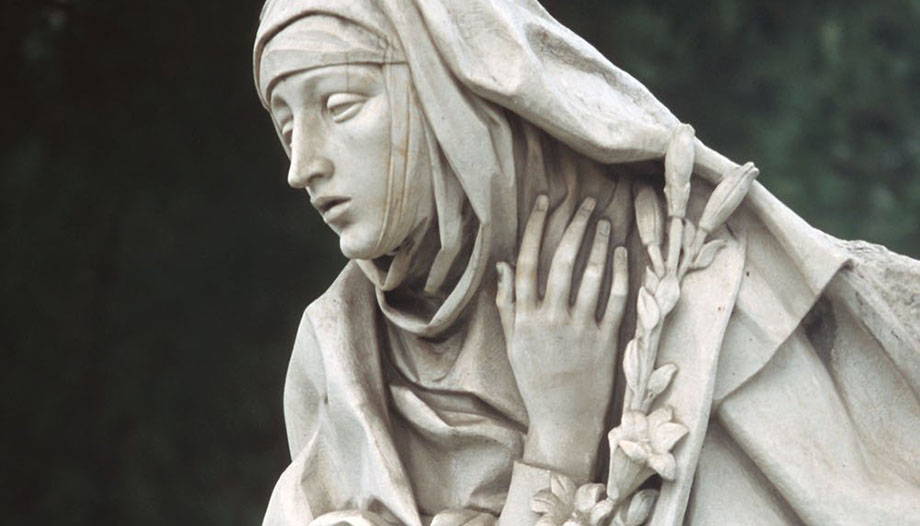
Catherine of Siena is an admirable woman. She was born in 1347 into a family of artisans. She loved solitude since she was a child, dedicated much time to prayer and recollection, and at the age of 6, she experienced her first vision of Jesus Christ, which decided her spiritual path: she took a vow of virginity and intensified her life of penance and prayer, amidst the resistance of her family.
As an adult, she established herself as a mantellatea tertiary sister of the Dominicans. Her spiritual life is strengthened and she discovers how Christian intimacy is always inhabited by God: "You must know, my daughter, what you are and what I am. If you learn these two things you will be happy. You are that which is not, and I am that which I Am". The young Catherine became more and more familiar with God, experiencing especially the providence of the Father. From these experiences will be born her most famous work: the Dialogue with Divine Providence.
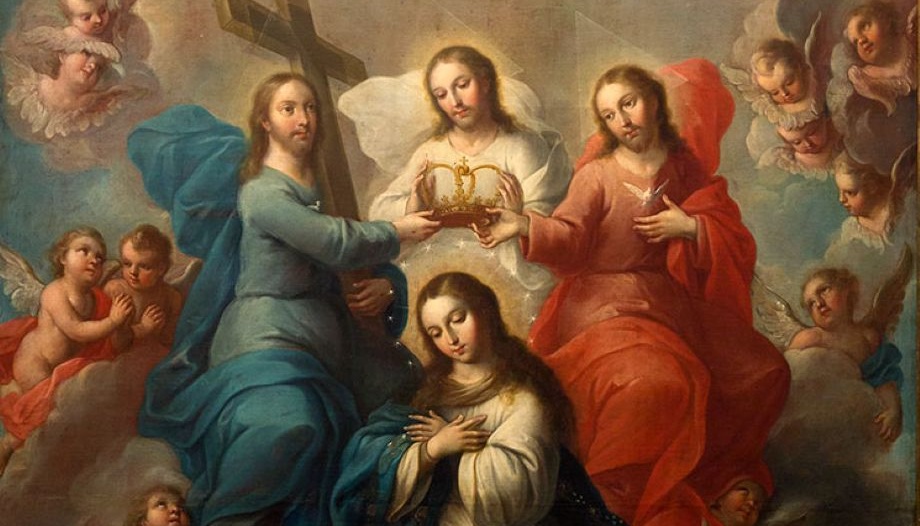
In the year 1366 she lived her fundamental mystical experience of betrothal to Jesus Christ, who appeared to her as her Spouse, giving her a splendid ring, seen only by her, and which marked her spirituality forever. A relationship of intimacy, fidelity and love was born: "My beloved daughter, just as I took your heart, which you offered me, I now give you mine, and from now on I will be in the place where yours used to be".
"It is Christ who lives in me."
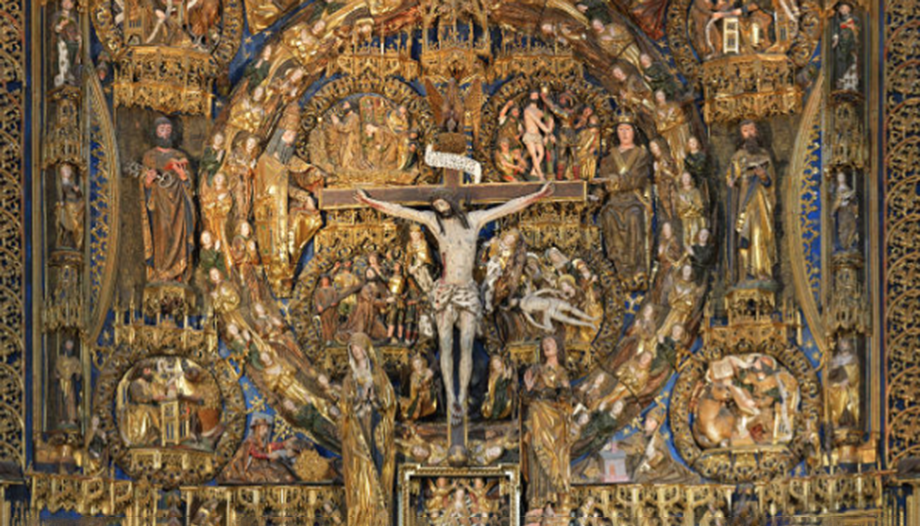
Truly Catherine actualizes the ideal of the Gospel: it is not I who lives, it is Christ who lives in me (Gal 2:20). The paschal mystery permeates and shapes its entire spirituality: Jesus Christ, with his words and above all with his self-giving life, is the Pontiff, literally acting as the bridge that leads us to heaven. His body on the Cross is the symbol of the ascent to holiness, in three successive steps: the feet, the side and the mouth of Jesus, which express the classic stages of the spiritual life of combat with sin, the practice of virtue and the sweet and affective union with God.
In the following years the visions multiplied: of hell, purgatory, heaven, culminating in the mystical experience of the stigmata in 1375, outwardly invisible, but inwardly sensitive for her.
Her communion with the Crucified One is translated into a call to be in solidarity with the plague patients and other poor people of her time: "Remember Christ crucified, set Christ crucified as your goal". Her fame of holiness attracts many, and a group of disciples is generated around Mamma Dulcisima. Her spiritual motherhood seeks the neighbor, who becomes the occasion of our love: for Catherine, every virtue that pleases God is realized through the neighbor that Providence puts in our way.
This same fame also generated suspicion. The Dominicans became interested in this spiritual daughter of theirs, and sent Friar Raymond of Capua to investigate the charismatic woman of Siena. The result was not only favorable to Catherine, but Raymond was fascinated, became her disciple, her confessor and her biographer, before later becoming Master General of the Order.
Involvement in the destiny of the Church
This is where the political dimension of his life must be situated, in the best sense of the word, because Christian spirituality must always take an apostolic form.
Catherine will be involved and will address letters to the great personalities of the Church and the Italian republics, seeking peace between the cities, mediating in the conflicts of the high nobility, and even questioning the Popes, asking for an intense reform of the clergy and pleading for the return to Rome of the successor of Peter from Avignon, where they had sought refuge at the beginning of the century, but where they were also in the political orbit of the French kings. Catherine died in 1380, in Rome, at the side of the Holy Father, her "sweet Christ on earth".
Her spiritual motherhood, which she sought for everyone, is expressed today with her doctorate, and also with her patronage of the Eternal City, of Italy and of the whole of Europe. She is our mother also because of that intercession: that historically asked for the freedom of the Holy Father, but that, in the last analysis, aimed at the freedom of the whole Church.