Akulina lives in Almaty. She is Orthodox, of Russian origin. On Wednesday she traveled 1,500 km across the steppe to Astana to attend the Pope's Mass at the EXPO. The two nights on the train, in less than 48 hours, and the many hours with other attendees in the parishes of Almaty, have become short after the very positive impression of those few hours with the Pope.
Alisher, in turn, is a young Protestant pastor of Kazakh origin. He was not able to travel, given the scarce affordable possibilities in the last days before the Pope's visit. But his wish was to be able to see the Holy Father up close, which he considered a great honor.

To be with people like Akulina and Alisher, for Catholics from all over Central Asia and neighboring countries, for the delegations of traditional religions present in Astana (the capital of Kazakhstan has regained its primitive name these days) Pope Francis came to Kazakhstan.
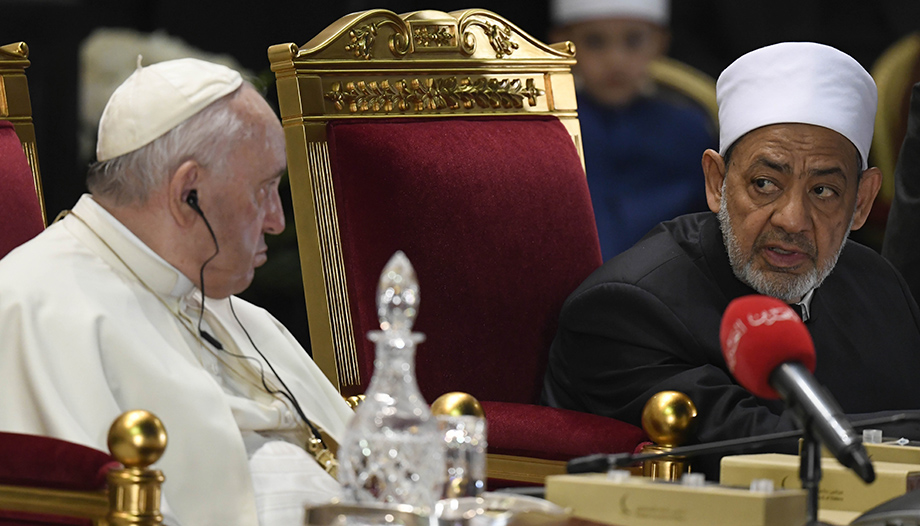
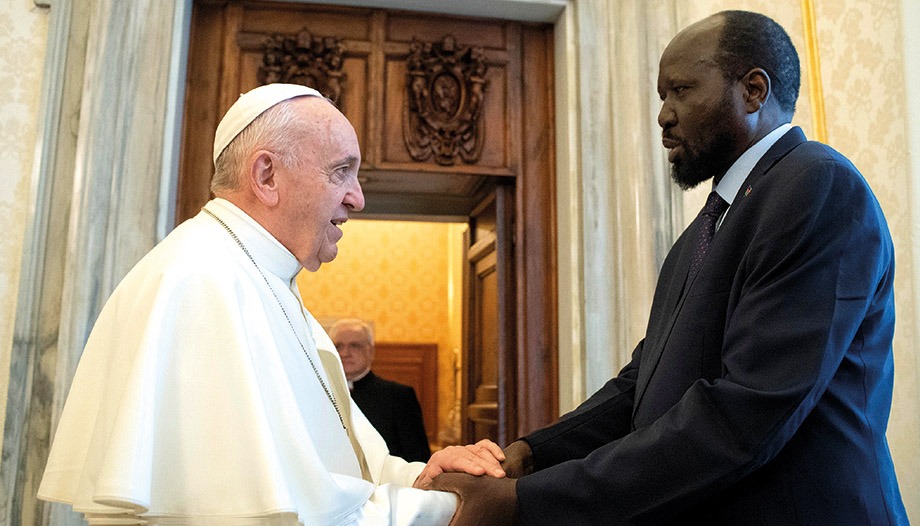
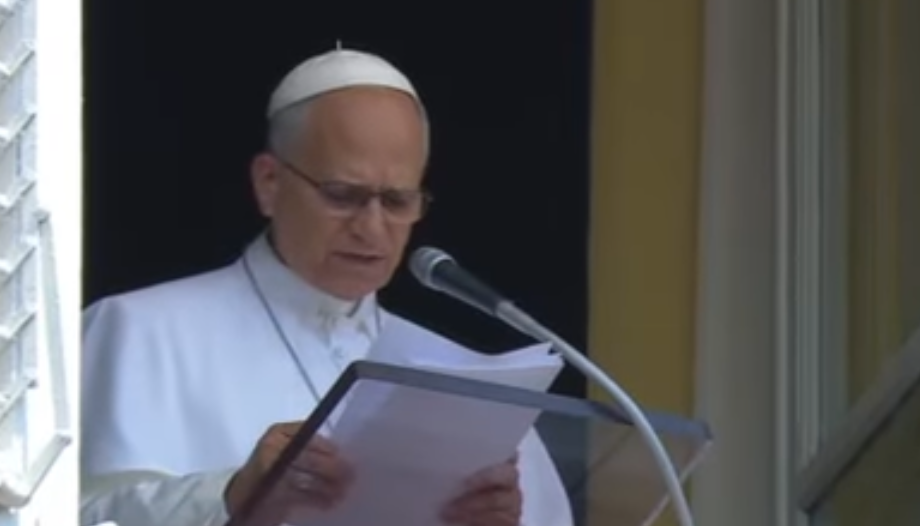
Although his trip on this occasion cannot be considered strictly pastoral, but official on the occasion of attending the 7th congress of leaders of traditional and world religions, in the warm meeting of Pope Francis with the clergy and pastoral agents of Kazakhstan on the morning of Thursday, September 15, the Pontiff offered a key reading of his entire trip.
The Pope emphasized on that occasion that "the beauty of the Church is this, that we are one family, in which we are one family. no one is a foreigner".. And somehow this is a statement that, with different nuances, he has wanted to repeat to the different audiences he has met.
He thanked in a special way the presence of faithful from all over Central Asia at the Mass on the 14th, called the participants of the Congress of leaders of traditional and world religions brothers and sisters; and addressed with special affection the representatives of the country's civil society, thanking them for their commitment to universal values (the abolition of the death penalty, the renunciation of nuclear weapons) while with fine delicacy suggesting ways of democracy and social promotion to their authorities.
No one is a stranger in this world that sometimes appears to be a desolate and inhospitable steppe. The Pope has demonstrated this by his closeness to other religious leaders, while at the same time distancing himself from any syncretism, recognizing rather the real seeds of other realities of openness to the Absolute.
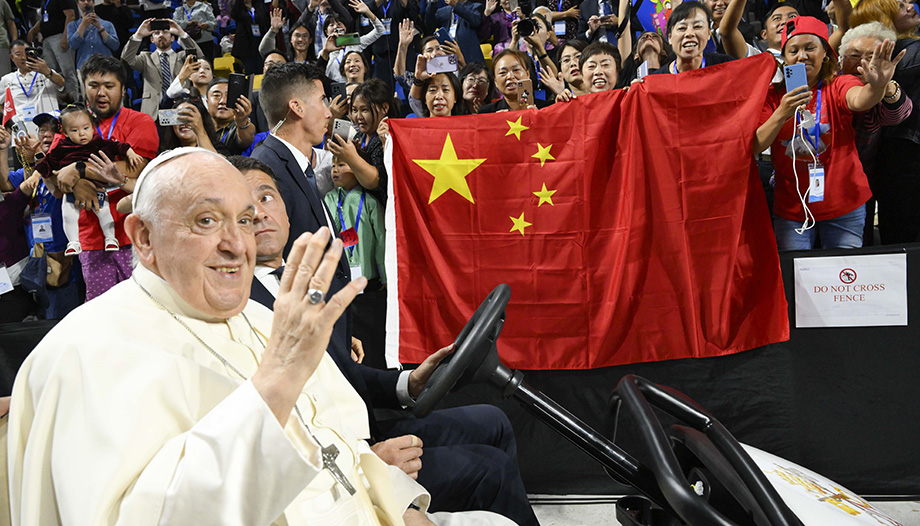
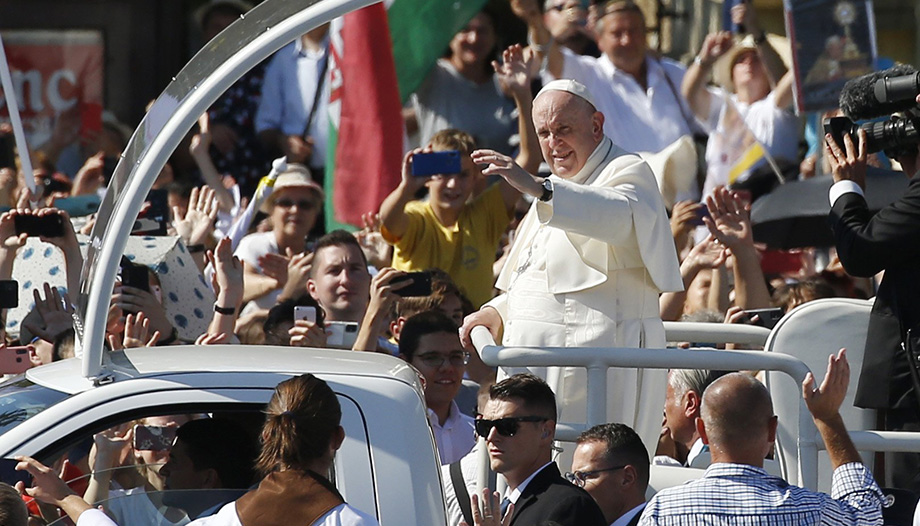
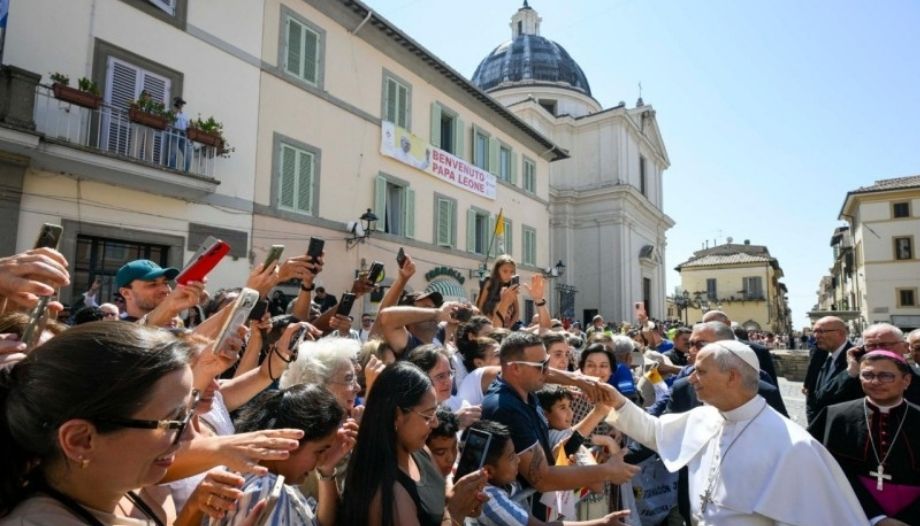
That is probably why we have seen a Pope close to each person and accessible to the faithful. His ride in the popemobile along the EXPO esplanade surprised many who did not expect such physical closeness, as suggested by his obvious state of health, which limits many of his movements.
He was also pleasantly surprised, as he reflected on his return trip, by the greatness (not only territorial) of an exemplary welcoming country: "a unique multiethnic, multicultural and multireligious workshop, (...) a country of encounter".
The Pope has discovered a great country, and Kazakhstan has in turn met a Pope who values his multiethnicity and his vocation of openness and welcome as a desirable gift for the whole world, for every country, for every region, for every conflict.
There are many other important themes that the Pope recalled and even demanded: the commitment to peace, the joint responsibility of religions in the construction of a more humane, peaceful and inclusive world, the power of memory, history and gratitude in the ecclesial journey.
Everything has been conveyed with images close to the multi-ethnic people living in Kazakhstan: the references to the poet Abay, the simile of the shadow, the references to the steppe, the flag and the symbols of the country.
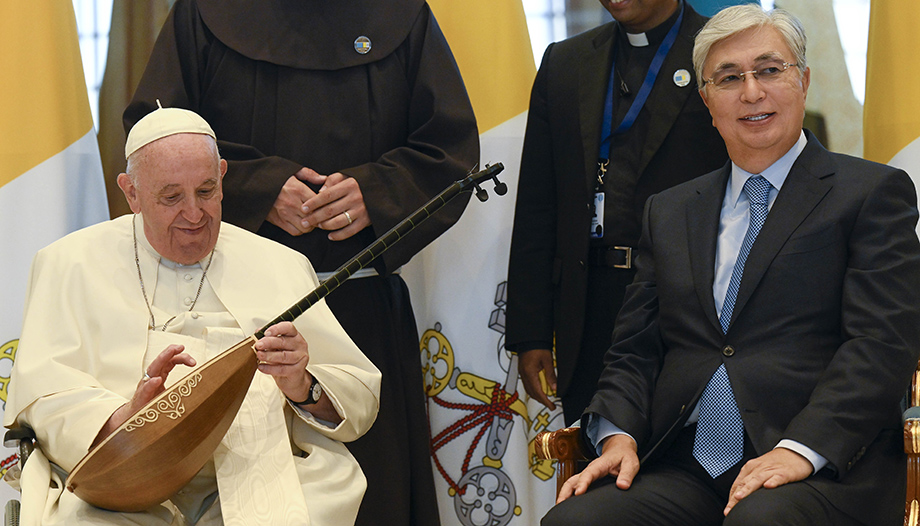
So the President, with fine humor, could not but respond to so much affection with a special gift when he bade farewell to the Pope on Thursday the 15th: the Holy Father, who joked about being a musical Pope when describing the shadow, returned to Rome with that instrument, a gift from the Kazakh people.