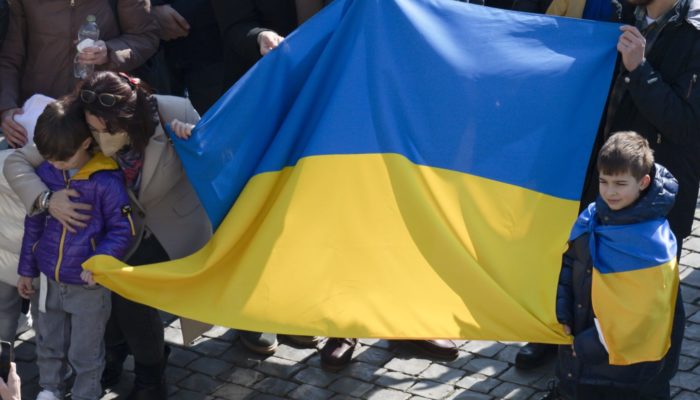


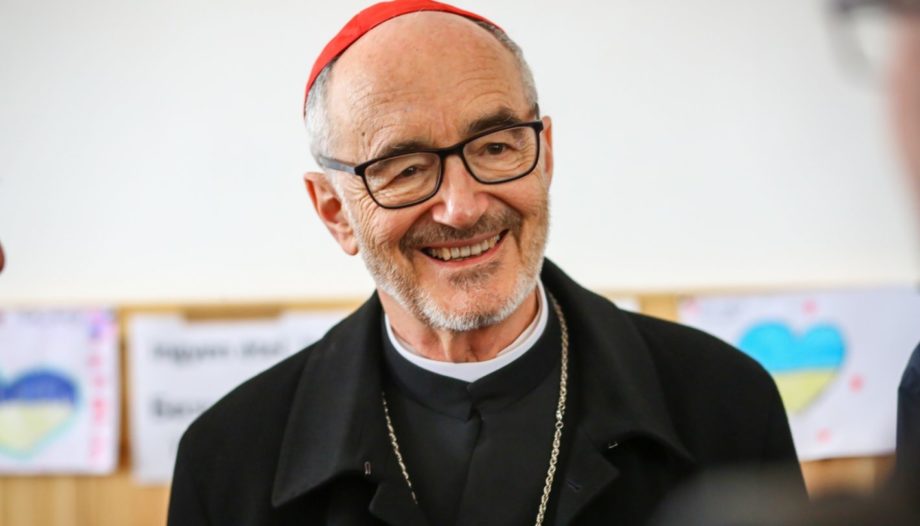
For three days, Pope Francis' special envoy, Cardinal Michael Czerny, spent three days in war-torn Ukraine. "Mine," explained the also Prefect ad interim of the Dicastery for the Service of Integral Human Development, "is a journey of prayer, prophecy and denunciation. I leave Rome on March 8 to arrive in Budapest and I will continue to meet refugees and displaced persons, and those who welcome and assist them." He returned to Rome on Friday, March 11, the day on which he gave this interview to Omnes to tell his impressions.
You have been sent on this "special mission" in Ukraine entrusted by the Pope for several days, what has been your impression and how have you seen the situation from there?
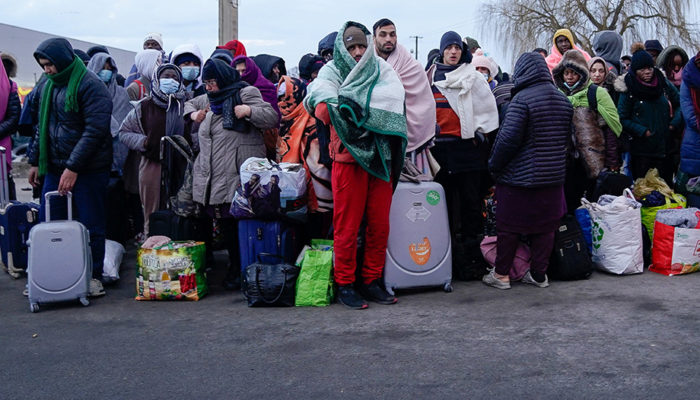
-In these three days of mission I came into contact with different situations, but they all had pain in common: single mothers with their children without husbands, elderly people forced to move even if it is difficult for them to walk; children, many children; students from Asia and Africa evacuated from one day to the next, forced to freeze their studies. I have been able to reflect on how different is the war lived through the media and the war transmitted by the suffering of the people. The latter is a pain that directly attacks the stomach and the heart. And also how this conflict is causing enormous damage to a world that was already experiencing conditions of vulnerability due to the pandemic and the environmental crisis.
Your intention was, above all, to bring the Pope closer to Christians, how did you manage to convey this?
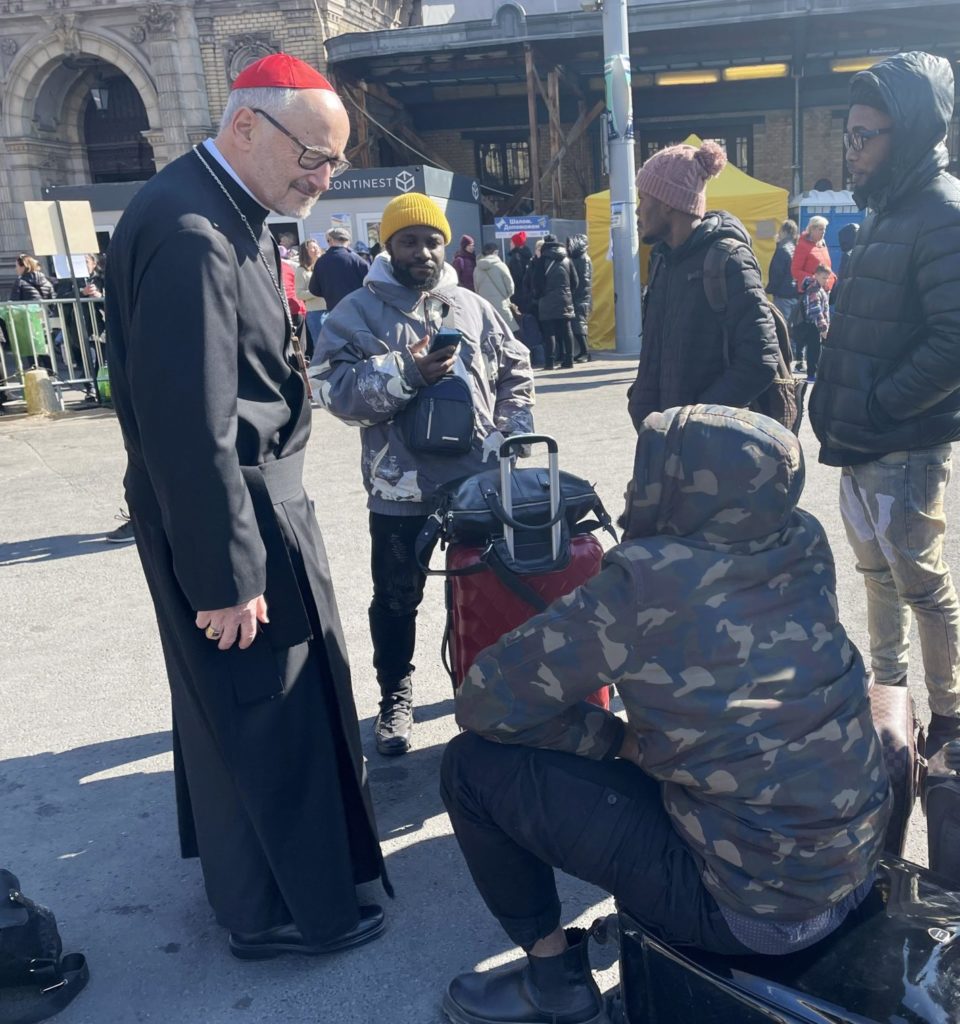
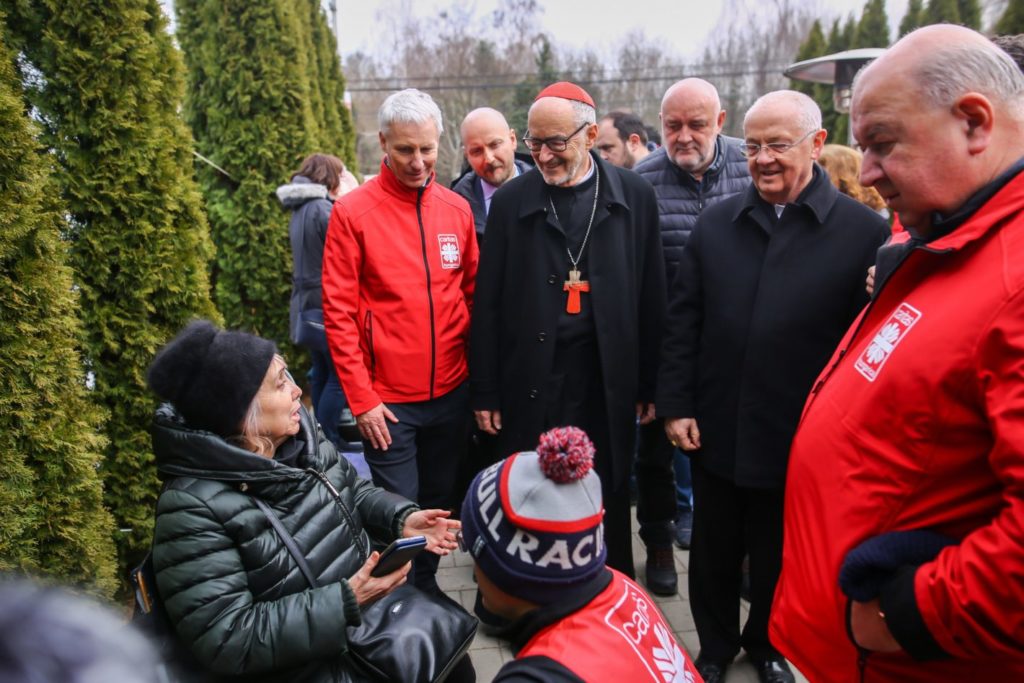
-What the Holy Father said at the Angelus in which he announced my mission and that of Cardinal Konrad Krajewski was exactly the objective of the mission: to bring to the people the attention, the hopes, the anguish and the active commitment of the Pope in the search for peace. I tried to achieve this goal, first of all, through what I call the "sacrament of presence", that is, by being physically in the places of pain, which in Budapest were stations, reception centers, parishes. Sometimes words are not necessary. For example, on the last day in Hungary I met some women from Kiev and other Ukrainian cities: it was enough for me to listen to their stories, assure them of my prayers and give them a blessing to give them obvious consolation.
Were you also able to bring material assistance as you wished?
In Hungary and during my stay in Ukraine last Wednesday, I was able to bring material and spiritual aid.
Is the spiritual care of Christians guaranteed, despite the difficulties?
-Absolutely, and this is one of the things that struck me most during the trip. To see a Church that really "goes out", as the Holy Father wishes. The priests, even those of the Eastern Churches with their families, who do not leave the territory to be close to the people. Or communities such as Sant'Egidio who, in addition to creating a shelter in the parish, take care to organize prayer initiatives together with the refugees they welcome. Or the Jesuit Refugee Service, which offers training to volunteers so that they can better respond to the real needs of people fleeing. It is an important work and it is good to see that not only the Catholic Church but also all the other confessions are doing it.
What role does religion play in the conflict?
-Religion can demonstrate the unity that war tends to destroy. For example, during my visit to the village of Beregove in western Ukraine, I was very impressed to see Latin Rite Catholics, Greek Catholics, Protestants, Reformed, Jews, coming together to share the work of the refugee emergency. A huge emergency that can only be addressed together. "There are no distinctions, we are all the Good Samaritan called to help others now," said one pastor during this very frank and fraternal dialogue. It comforted me, it is truly the sign of a living Church.
How do you see the future of the war?
-War has no future, in fact it is the destruction of the whole future. We must learn another way to resolve conflicts and tensions. I hope in the good God who puts the fate of the world in poor human hands.