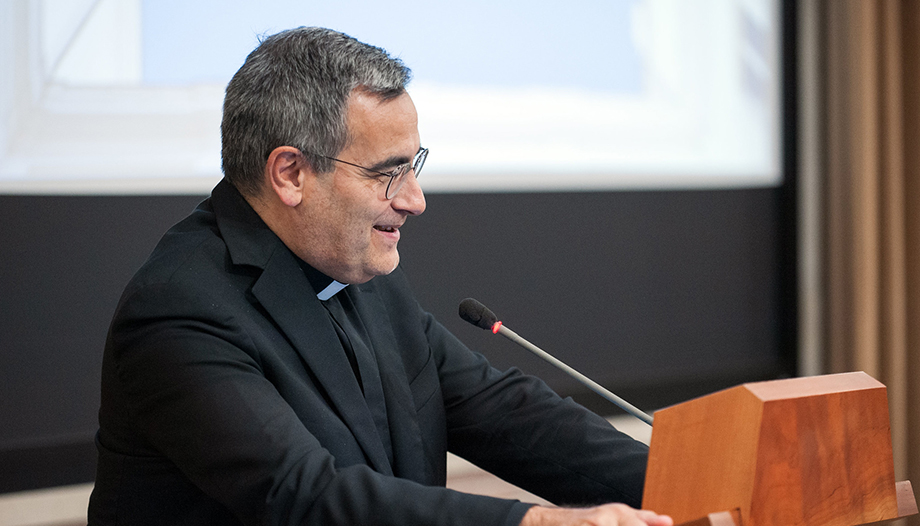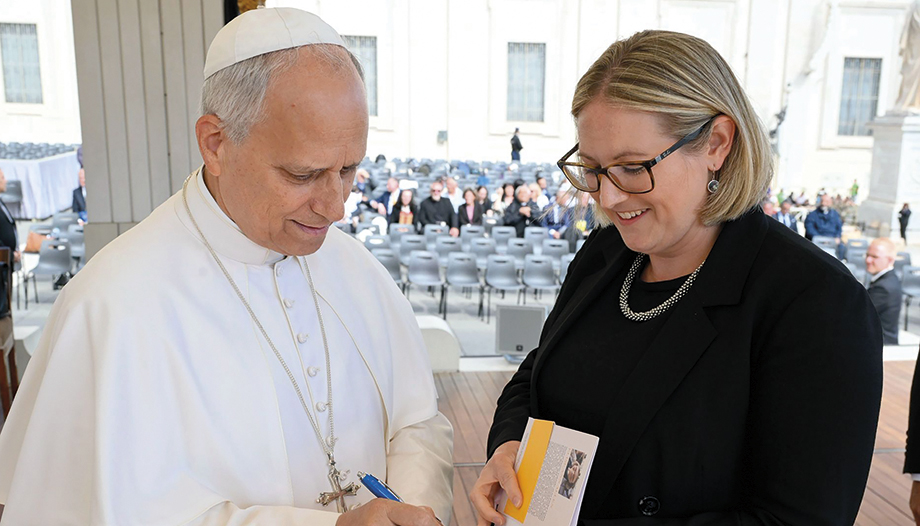

On the occasion of the 60th anniversary of the promulgation of the decree "....Unitatis Redintegratio"of the Second Vatican Council on ecumenism, ecumenism, the Pontifical University of the Holy Cross hosted an International Seminar sponsored by the Faculty of Theology. The event brought together speakers from different Christian communions to reflect, in an atmosphere of sincerity and trust, on the efforts made over the past sixty years to foster Christian unity.
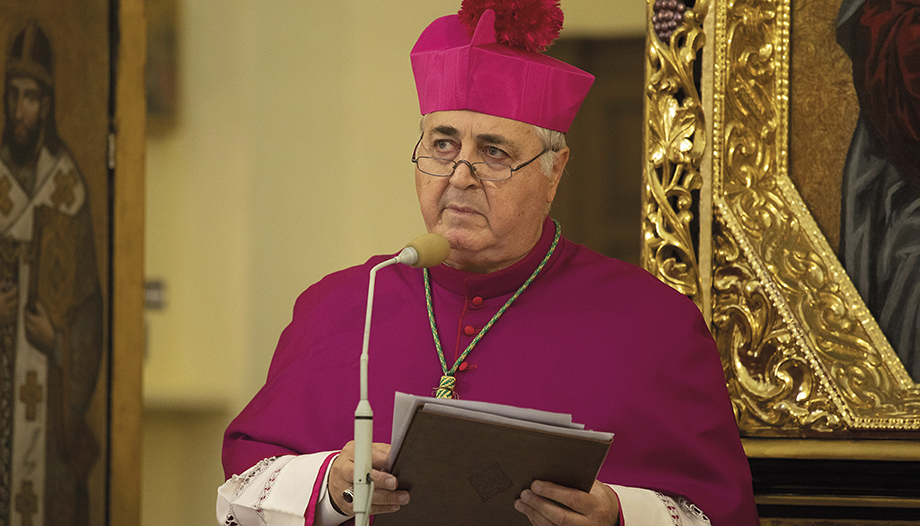
One of the most significant moments of the day, which took place on Thursday, November 21, was the closing address of Irish Bishop Brian Farrell, Secretary Emeritus of the Dicastery for Promoting Christian Unity, who reflected on the current situation, problems and prospects of ecumenism today. In the following interview, the theologian explains the importance of living concretely the ecumenical journey, rediscovering an authentic fraternity among Christians.

What are the main challenges of ecumenism today?
- Ecumenism, the search for unity, is a diverse and complicated reality. It is not enough to resolve, as we are doing, theological questions or differences in the way we understand and formulate the faith. We must also learn to live together.
Pope Francis often insists on an ecumenism that goes beyond theological questions. How should this perspective be read?
- We are in an important moment, because in fact the idea of Pope Francis is that ecumenism is not only a question to be solved, but to walk together, pray together and work together.
We must rediscover ourselves as brothers and sisters on this path. In many of our ecumenical partners there is a new hope that, in doing so, we will move towards the goal of full communion among us Christians.
Looking back, how has the context of ecumenism changed since the years of the Second Vatican Council?
- I think 60 years ago was almost the beginning of a journey together. Then there was also a certain optimism, but the world has become more complicated. Just look at the situation today: we are more fragmented, more confrontational. Even the churches are suffering. We live in a very liquid and fluid ocean, and the truths of faith are not so clear and certain for people.
In such a complex context, what gives hope?
- We have great hope, because the more difficult the mission becomes, the more obliged we feel to be together. No church today can evangelize alone. We must work together. We all know that we must do it, but now we must find the concrete steps to achieve it.
Below is the full interview (in Italian) with the Secretary Emeritus of the Dicastery for Promoting Christian Unity: