

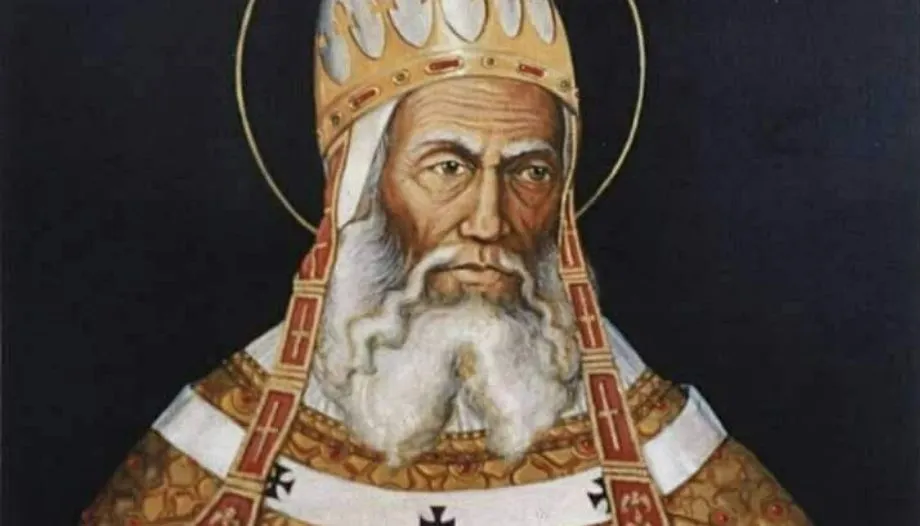
Pope from 366 to 384, Saint Damasus I was of Spanish origin and was probably born in Rome around 305. As a deacon incardinated in Rome, he served Pope Liberius and accompanied him into exile.
He succeeded Peter in 366, when the Church was going through difficult times. He suffered persecution, exile, and slander, convened synods against heretics, defended the faith proclaimed at the Council of Nicaea, and was a great promoter of the cult of martyrs.
He entrusted St. Jerome that translate into Latin the Bible (the Vulgate), replaced the use of Greek with Latin in the liturgy, and consolidated the catacombs. He died on December 11, 384.
Hallelujah, Glory be to God....
Saint Damasus introduced expressions such as “Alleluia” and the doxology “Gloria Patri...” (in honor of the Trinity) into Christian liturgy to affirm the Catholic faith in times of doctrinal controversy.
There is debate about his origins. Some sources indicate that he was born in the ancient Roman province of Hispania. More recent sources suggest that he may have been born in Rome. In any case, tradition—as recorded in various Spanish and Catholic sources—often considers him to be “of Hispanic origin” or “Galician.”.