The region is experiencing a worrisome socio-political polarization. I am not referring to the fact that elections in recent years have been decided by very tight percentages, but rather to the fact that the rivalry of "models" includes a cross disqualification: each party thinks that the other is hurting the country, and the governance pacts -so friendly in theory- are diluted in permanent confrontations.
Meanwhile, the Church is trapped in a political framework that puts pressure on its pastoral and social proposal: it generally assumes the good intentions of both, reminds popular governments of the importance of respecting institutions; and the neoliberals or center-right, the priority of caring for the poor in every economic measure.
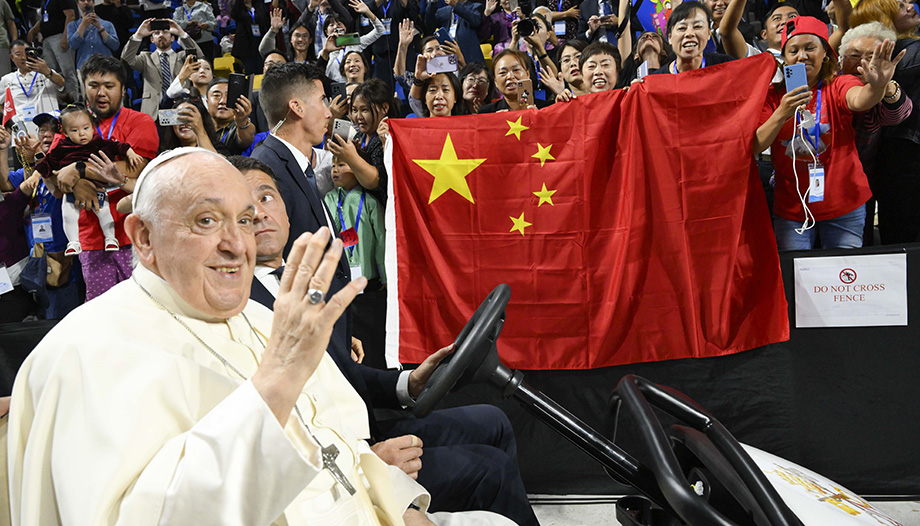
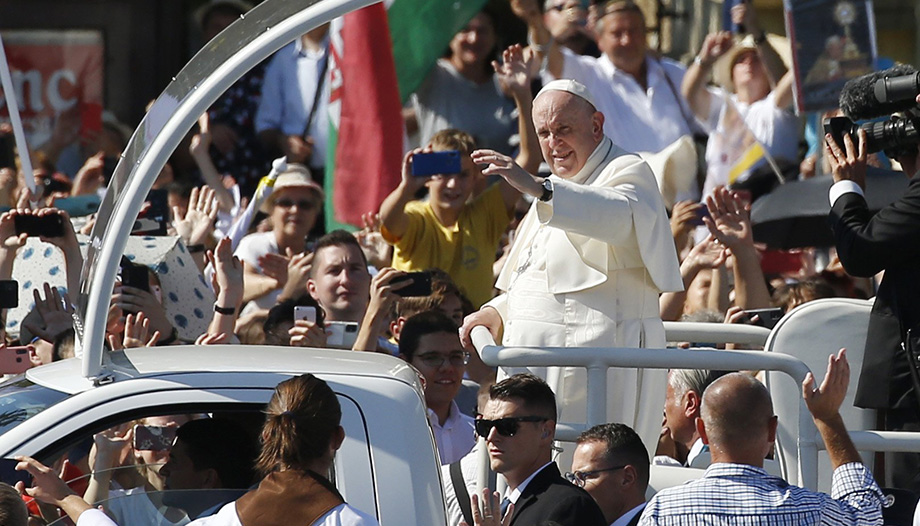
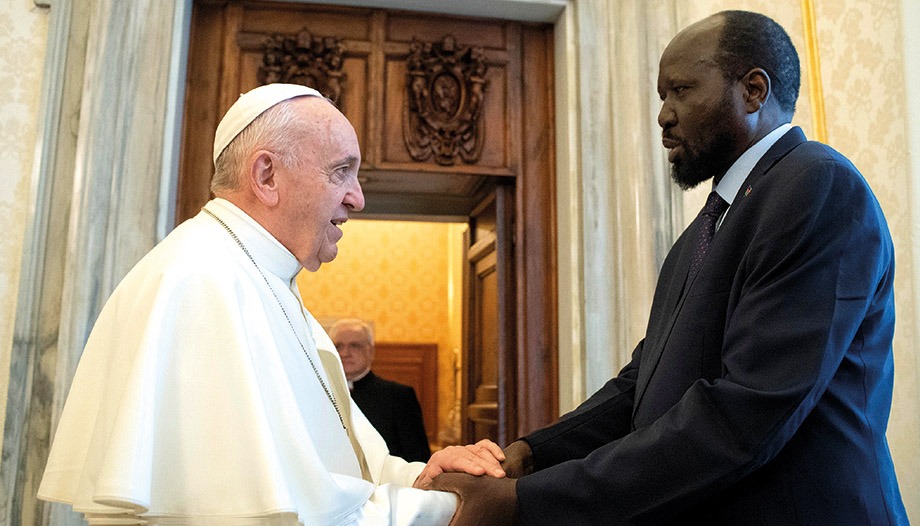
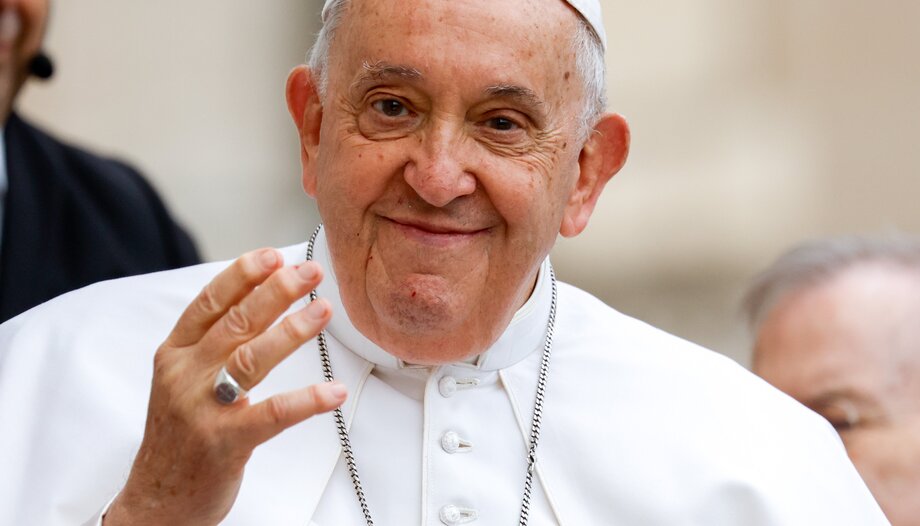
In this context, Pope Francis called for the Easter Sunday "peaceful solutions" to overcome tensions "political and social" in Latin America. The situation in each country is different, in general, much more than what is perceived from Europe. However, the divisions are real in Argentina, Bolivia, Chile, Ecuador, Colombia, Brazil, Paraguay...; more calm in Peru because of the economic success, and in Uruguay, because of the more serene social style; and more extreme in Venezuela.
Following this line, concerned about the tension, the Argentine bishops came out in unison during Holy Week to call for fraternal unity. Bishop Arancedothe president of the bishops' conference, warned that "a divided country does not provide solutions to people's problems", and noted: "it is necessary and urgent to recreate a culture that has its source in dialogue and respect, in honesty and exemplarity, within the institutional framework of the powers of the State".
For his part, Bishop Lozano (Social Pastoral Commission) considered that it is necessary to "to build a homeland of brothers"; Bishop Stanovnik, of Corrientes, asked to beware of the temptation of division and confrontation; and, finally, Cardinal Poli, of Buenos Aires, said that "if there is no reconciliation, there is no homeland, there is no future".
In the face of socio-political division, the Church advocates building bridges, the culture of encounter and dialogue, and promotes a logic that overcomes confrontation and places society in the perspective of the common good. It is up to Christians to ensure that this preaching becomes a reality, and that - as the Pope says in the Evangelii Gaudium-, unity prevails over conflict.